
Start With the “Why” Behind Your Remodel
Before you price anything out or start saving kitchen photos, get clear on why you want to remodel. In Downers Grove, we see homeowners start projects for the same practical reasons: the kitchen flow doesn’t work, storage is always tight, the bathroom feels dated, or the home just isn’t keeping up with day-to-day life. When you define the real problem first, decisions get easier. It also helps you avoid “scope creep,” where a simple refresh turns into a full renovation without a clear plan.
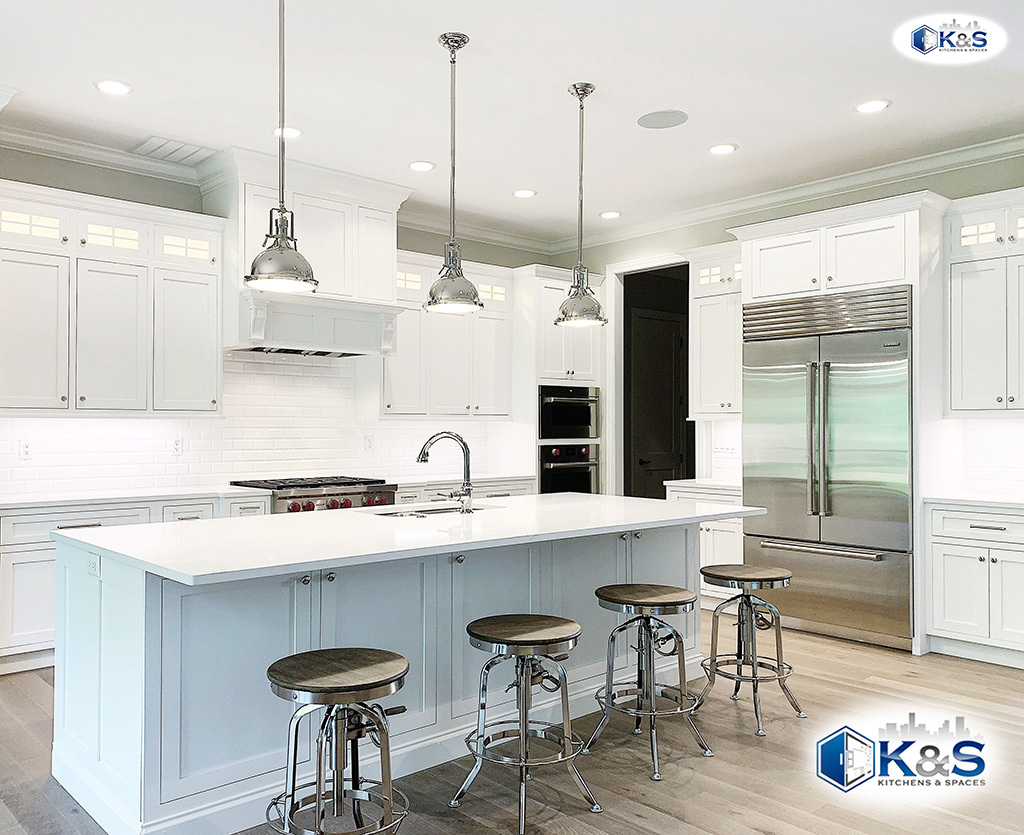
Decide What “Success” Looks Like (Not Just What It Should Look Like)
A remodel isn’t successful because it looks nice—it’s successful because it works for your life. Take ten minutes to write down what you need the space to do. For a kitchen, that might be “two people can cook at once,” “more countertop near the stove,” or “a pantry that actually fits our groceries.” For a bathroom, it could be “better lighting,” “more storage,” or “a shower that’s easier to use.”
This is one of the best ways to stay grounded during remodel planning: you’re designing for function first, and style second.
Set a Realistic Budget Range and Protect It
Budget is where overwhelm usually begins. Instead of trying to guess a perfect number, start with a range you’re comfortable investing, then prioritize what matters most. If layout and storage are the biggest pain points, those should come before premium finishes. The goal is to spend where it improves daily life—and where it will hold up long term.
A helpful rule: choose durability for the big-ticket items (cabinets, tile, counters) and use easier-to-change elements (paint, lighting, hardware) to add personality.
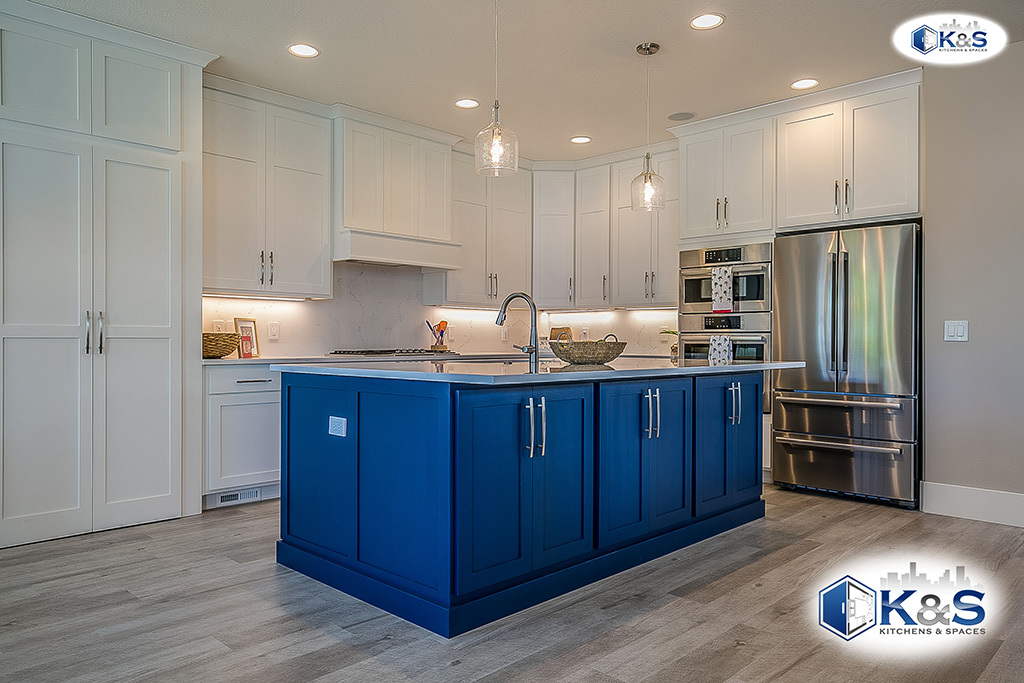
Break the Project Into Clear Steps
Most remodels feel overwhelming because they’re treated like one giant decision. You’ll feel more in control when you break it into phases:
- Define goals and priorities (function, comfort, long-term value)
- Measure and document pain points (photos, notes, what’s not working)
- Gather inspiration (but limit it—aim for a clear direction, not 50 options)
- Consult a professional to confirm feasibility, timeline, and scope
- Make selections in order (layout → cabinetry/fixtures → surfaces → finishes)
Once you treat remodel planning like a sequence, it stops feeling like a fog.
Build a Local Plan That Fits Your Home
Downers Grove homes often have unique layouts, aging infrastructure, or details worth preserving. That’s why it’s important to plan around your home’s “bones,” not fight them. A good remodeling partner will help you prioritize improvements that make sense for the home you have—while still giving you the function and comfort you want.